

Spot change earlier
Seven Signals
A practical way for leaders to see change earlier, decide faster, and act while the window is open.
Designed for Executive teams, leadership summits, annual meetings, innovation events
Four signature keynotes
Spot change earlier
A practical way for leaders to see change earlier, decide faster, and act while the window is open.
Designed for Executive teams, leadership summits, annual meetings, innovation events
Build authority and trust
How leaders and teams become undeniable when AI makes competence easier to copy.
Designed for Sales, leadership, professional services, brand and visibility programs
Lead through AI adoption
A clear, useful AI framework that helps teams move from experimentation to better work.
Designed for C-suite, marketing, customer experience, revenue, and transformation teams
Win the changed customer
How to win loyalty when AI resets customer expectations faster than most companies can respond.
Designed for CX, marketing, service, customer success, and growth audiences
A selection of the brands that have brought Shama in to speak.










Testimonials
“I have had the privilege of working with hundreds of speakers, and I can say without hesitation that Shama is the best in the business. Her speaking style, stage presence, and content are simply unmatched.”
Pariti Sutaria“We heard nothing but fantastic things from attendees about your keynote. It was a perfect way to close out the content on such a high note!”
Ann Dieleman“Shama is a true pro. She gave the keynote at our agency kick-off event this year exceeding our already high expectations with a fully tailored address coupled with her team player attitude.”
Paul Stankevich“Shama was the highlight of our event as the closing keynote speaker! She understood our audience and delivered great value.”
Pete Cappa“Her session was engaging, interactive and had lots of tangible takeaways for our attendees. If you are looking for a speaker who will make AI learning fun and approachable, book Shama today!”
AnnaMarie Kendall“She has this rare ability to make you feel both energized and clear-headed at the same time. If you want a speaker who will genuinely shift how your audience thinks, book Shama.”
Wesley WilliamsEvent Planning Resources
Considering Shama
Bio, keynote overview, proof points, photos, and event details in one place.
Open PDF →A practical checklist for audience fit, stakeholders, format, AV, customization, and next steps.
Open resource →A clear structure for comparing speaker fit, format, outcomes, logistics, and production needs.
Open resource →A practical guide for moving from shortlist to confident selection.
Open resource →Already booked
A clean brief for audience goals, event context, logistics, customization, and approval details.
Open resource →Production guidance for stage, microphones, slides, recording, and virtual delivery.
Open resource →Locked program copy your host can read from the stage or paste into the run of show.
Copy introduction →Approved downloadable portraits and stage photos, including the 2026 press headshot.
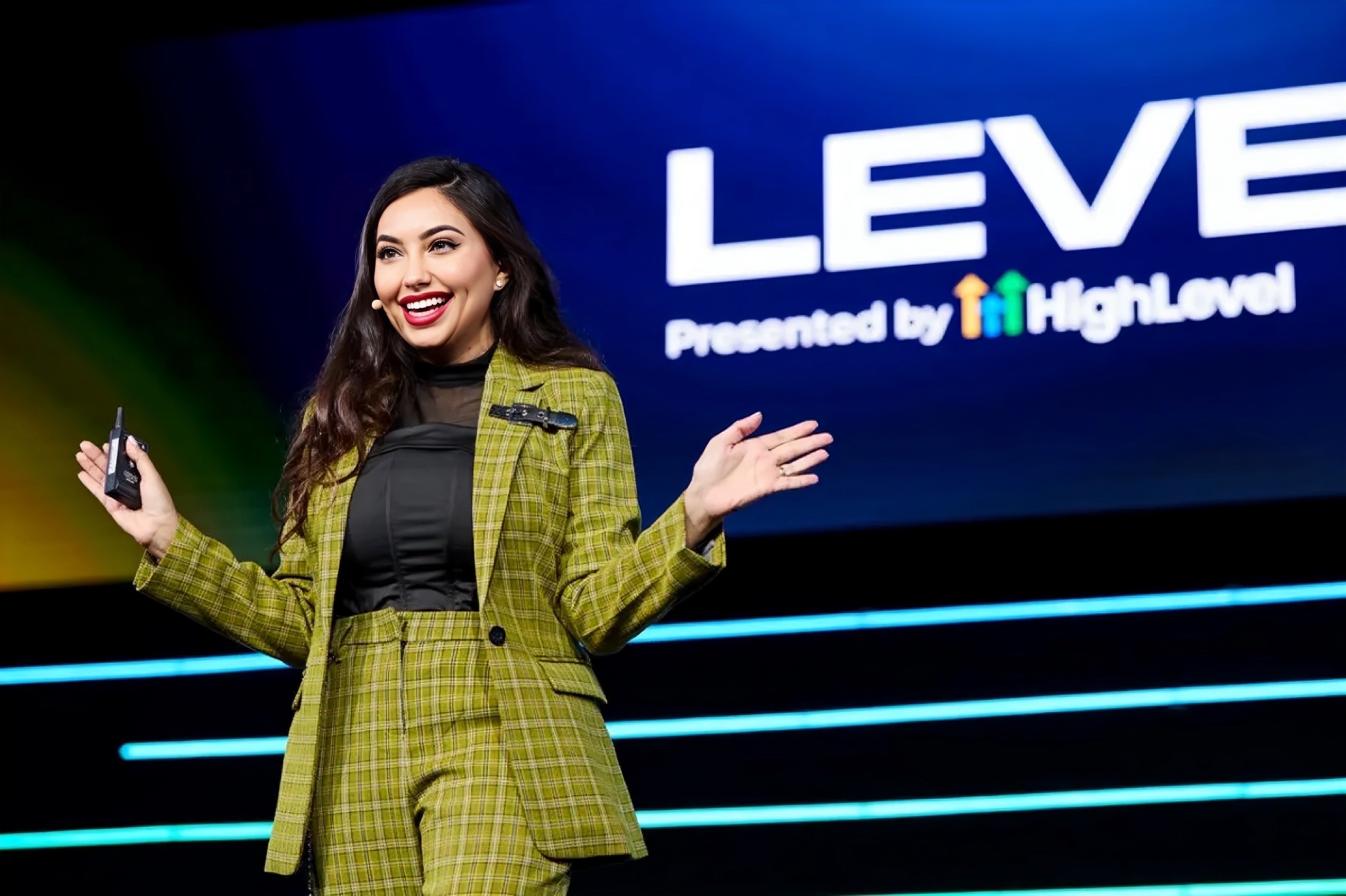
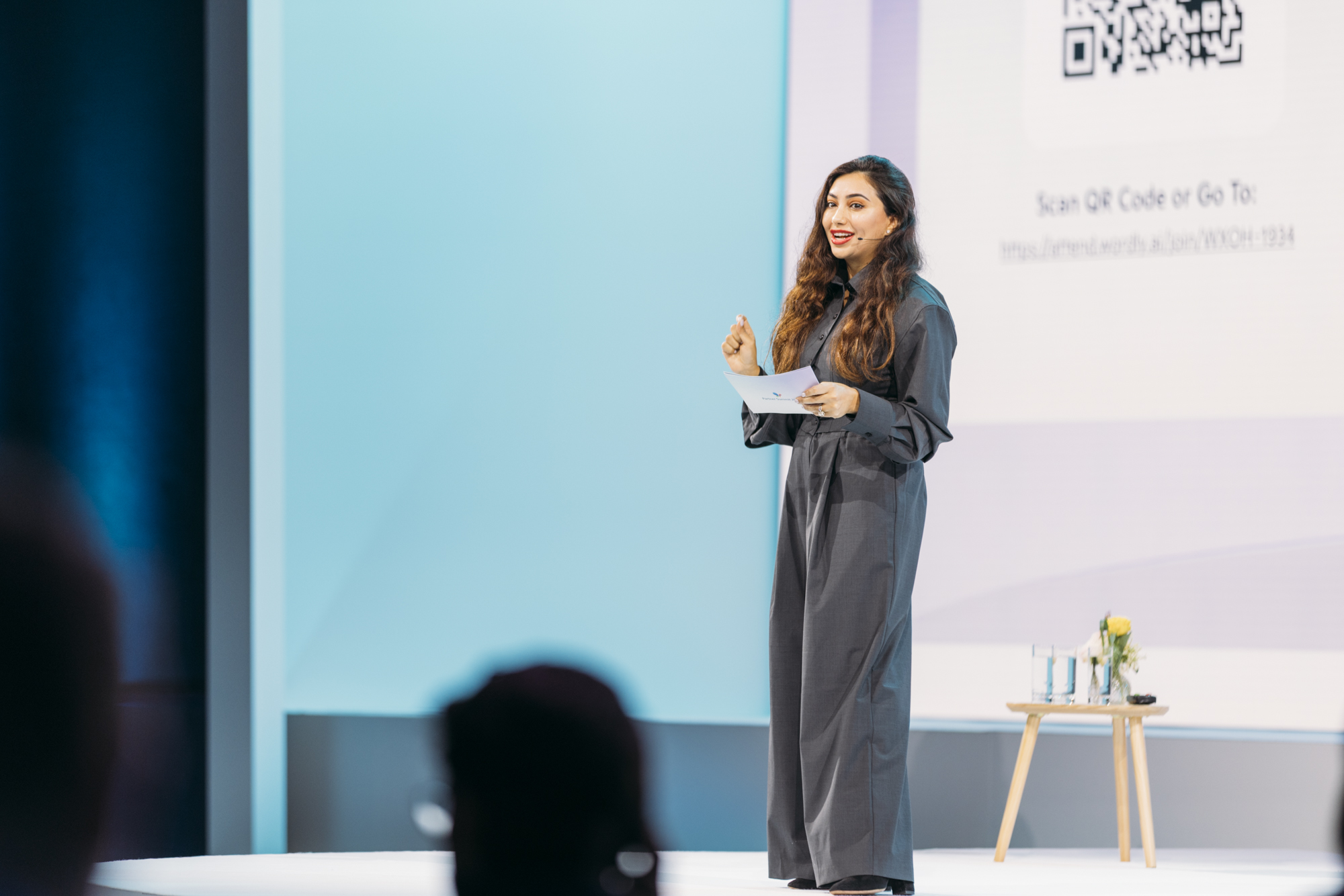
Open gallery →Approved bureau photos
Select any image to download the full-resolution original.



Ask Shama
Four. Seven Signals shows leaders how to see change earlier and act while the window is open. The New Rules of Influence is about becoming undeniable when AI makes competence easy to copy. AI in Action gives teams a practical path from experimenting to better work. The Customer Has Already Changed is about winning loyalty when AI resets expectations faster than companies can respond. Each one has its own page above.
Yes, heavily. We start with a pre-event call so I understand your audience, what's changing in your world, and what you need people to walk out ready to do. The framework holds; the examples don't. Every example in the talk comes from your industry, not a generic deck with your logo on slide one.
Yes. I deliver virtual and hybrid keynotes from a full professional studio setup with a sound engineer on the session, so the production quality matches what your audience sees in the room. I'm also happy to join your AV check ahead of time.
Miami. I fly out of MIA or FLL and speak worldwide — 26 countries so far.
It varies, but my calendar fills fast and dates are limited. If you have a date in mind, reach out now and the team will tell you the same day whether it's open.
Everything from a 10-person executive team at the top of a company to a 15,000-seat stadium. Conferences, leadership summits, sales kickoffs, annual meetings, association events, private offsites. The room changes; the job is the same — help the people in it see what's changing and decide what to do about it.
Yes. The Rewired AI workshop is built as a keynote add-on — the keynote sets the direction, the workshop the next morning turns it into working practice for your team. I also emcee and moderate executive panels, and I love hosting live-competition formats. Ask the team to build a program that fits your agenda.
The Planetario Luis Enrique Erro in Mexico City. They projected me onto the dome, so I spent the keynote talking to the soles of a few hundred pairs of shoes while the audience lay back and looked up. Still one of my favorite rooms.
Ready to check fit?
Prefer email? team@shamahyder.com The team replies the same day.
Explore more


