Event Planner Resource
A strong keynote combines substance, preparation, and stagecraft. The most effective speakers bring credible experience, understand the audience in front of them, and leave people with ideas they can use long after the event.
Looking to book a specific speaker? View Shama Hyder's keynote topics or check availability.
The gap between a good keynote and a great one is not charisma — it is substance. The best keynote speakers give audiences frameworks that change how they work, not just moments that feel good in the room. They prepare specifically for your audience. They make the complexity of AI, strategy, or leadership feel concrete and actionable. And their teams are as professional as they are.
This guide breaks down exactly what to look for when evaluating keynote speakers — and what to avoid. Whether you're booking for a 500-person leadership summit or a 5,000-person national conference, the same criteria apply.
The best keynote speakers are not just communicators — they are practitioners. The difference is measurable. A speaker who has actually run a company, navigated an acquisition, or built a team through transformation can speak to those experiences with a specificity that resonates with business audiences. They can handle the hard questions. They know what the theory leaves out.
When evaluating speakers, look past the bio page. Ask: what did this person actually build, lead, or transform? Where is the evidence? A client list of Fortune 500 companies means more when you can verify the speaker delivered a main-stage keynote, not a breakout session or panel appearance.
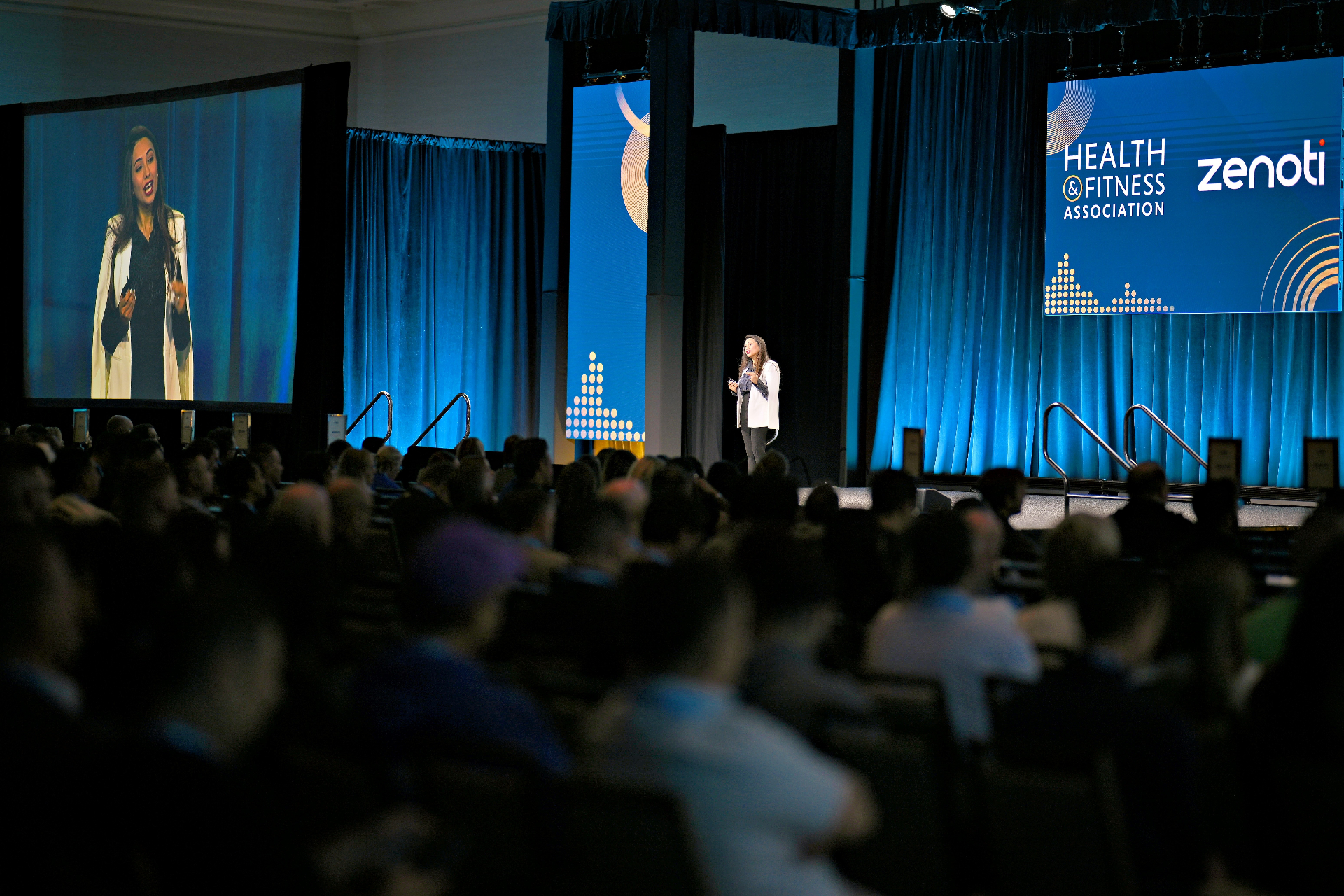
Shama Hyder built and led Zen Media for 17 years before selling the company. She advises leaders at Microsoft, Adobe, Salesforce, and JPMorgan Chase and has delivered keynotes for EMAAR and SEMA.
The most common complaint from event planners who have worked with keynote speakers is that the talk felt generic — like it could have been delivered to any room, at any event, at any time. The best speakers do not do this.
Genuine customization means a pre-event briefing with your planning team to understand your audience's specific challenges, their current knowledge level, your event theme, and the specific outcomes you need the talk to drive. It means the examples, case studies, and frameworks are adjusted to fit your industry and audience. It means the speaker actually did homework.
Ask directly: "What would you need from us to fully customize your keynote?" The answer tells you everything. A speaker who responds with a specific list of questions and materials they want is a speaker who takes customization seriously.
Any speaker can deliver a great 10 minutes. The best keynote speakers hold an audience for 45 to 60 minutes without energy dipping, content thinning, or the talk devolving into motivational filler.
The best way to verify this is to watch a full-length talk — not a sizzle reel. Request a 45-to-60-minute video from a recent keynote for an audience similar to yours. Watch the full thing. Look for: Does the content stay substantive throughout? Does the speaker's energy track naturally or crash mid-talk? Does the audience stay engaged? Is the material organized logically, or is it just a series of loosely connected stories?
Depth is revealed in the third quarter. Anyone can deliver an energetic opening. The best speakers build and sustain momentum across the full arc.
Inspiration without action is entertainment. The best keynote speakers give audiences something they can use Monday morning — frameworks, mental models, processes, or questions that change how they approach a specific challenge.
Before booking any speaker, ask: "What does my audience concretely walk away with from your talk?" The answer should be specific. Not "they will feel energized and motivated" — but "they will leave with a 3-step framework for identifying growth opportunities before competitors do" or "they will understand exactly how to position AI adoption to their teams in 90 days."
Clear frameworks can help audiences turn memorable stories into action.
How a speaker behaves during the booking and prep process is a direct preview of how they will behave at your event. Speakers who are slow to respond, difficult to schedule, or resistant to preparation requests are telling you something important about what the day itself will look like.
The best keynote speakers are easy to work with. Their teams respond quickly, their contracts are clear, their prep calls are substantive, and they show up early to learn the room. They treat the event as a partnership, not a transaction.
This matters more than people assume. Event planners deal with enough variables on the day itself. Your speaker should be the easiest part of your event, not one of the stressors.
Client lists and testimonials are easy to manufacture. The best keynote speakers have social proof you can verify. That means: named clients you can confirm, testimonials with specific names and organizations, post-event survey data, and references available on request.
A testimonial from "Sarah K., Event Planner" means less than a detailed quote from a named marketing director at a named organization you can look up.
Ask for references from past events that are comparable to yours in size, format, and audience type. When considering Shama, planners can ask about her keynotes for EMAAR and SEMA.
The Celebrity Pivot
Famous for one thing. Now a speaker. Rarely as deep in content as their name suggests.
The Motivational Loop
High energy, inspirational stories, no actionable frameworks. Feels great for 30 minutes. Forgotten by Friday.
The One-Talk Speaker
One core story or idea, delivered the same way to every audience regardless of context.
The Social Proof Inflator
Client logos that include a single internal seminar. Testimonials without verifiable names.
The Dated Keynote
The sizzle reel is from 2019. The examples are from 2018. The content has not evolved with the market.
The Prep Resister
Does not want pre-event calls. Refuses to review audience profiles. Delivers the same talk regardless.
Before the Event
Day-of and After
Selected Experience
2026
TIME100 Creators — Leaders
EMAAR
Keynote
SEMA
Keynote
17 Yrs
Built and Led Zen Media
What makes a keynote speaker the best?
The best keynote speakers combine verified real-world experience, deep audience customization, and content that produces measurable change. Look for speakers with specific client credentials you can verify, full-length talk videos, and a clear articulation of what their audience actually walks away with — not just how energized they feel.
How do I find the best keynote speaker for my event?
Start with your audience and outcome, not the speaker. Define who is in the room and what you need them to think, feel, or do differently after the talk. Then evaluate speakers against that benchmark. Ask for full-length videos, verify client lists, and schedule a pre-booking call to test responsiveness and customization willingness.
What topics do the best keynote speakers cover right now?
Popular keynote topics include AI adoption for business leaders, Strategic Urgency and competitive timing, leadership through transformation, and customer loyalty in the age of AI.
What are red flags when evaluating keynote speakers?
Red flags: no full-length video available, vague or unverifiable client lists, slow communication during booking, resistance to customization, sizzle reels older than 3–4 years, and inability to clearly articulate what their audience walks away with beyond feeling motivated.
Is it better to book direct or through a speaker bureau?
If you know who you want, booking direct is faster, less expensive, and gives you a direct relationship with the speaker's team. Speaker bureaus add 20–30% commission and are most useful when you need help discovering speakers or want someone to manage contract logistics.
Ready to Book?
Shama has delivered keynotes for EMAAR and SEMA, built and led Zen Media for 17 years before selling the company, and advises leaders at Microsoft, Adobe, Salesforce, and JPMorgan Chase. She was named to the 2026 TIME100 Creators Leaders category.